Anxiety or ADHD? Why They Can Feel So Similar.
Anxiety or ADHD? Why They Can Feel So Similar
By Dr. Sarah Parsons
You sit down to finish something important. Ten minutes later, you have checked your phone, opened three other tasks, and forgotten what you originally meant to do.
Is that anxiety? ADHD? Both?
Difficulty concentrating is a symptom, and understanding what is driving it matters more than choosing a label quickly.
Similar experiences can have different causes
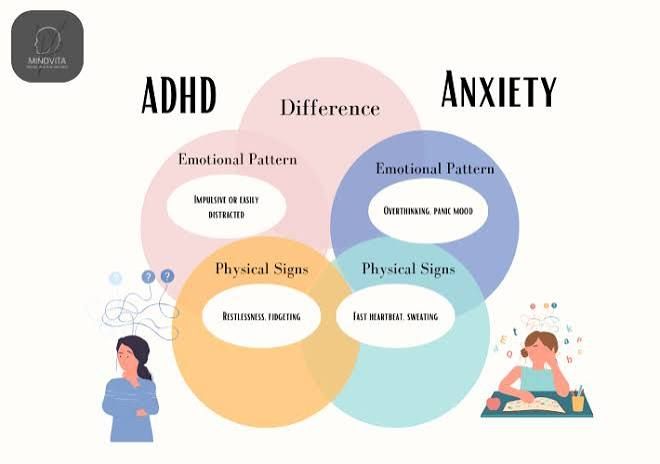
When you are anxious, worry can compete for your attention. You may be reading an email while mentally rehearsing an uncomfortable conversation or imagining everything that could go wrong.
With ADHD, difficulty regulating attention, organizing tasks, managing time, or controlling impulses may be part of a longstanding pattern.
From the outside, both can look like distraction, procrastination, forgetfulness, or trouble finishing things.
I want to understand the timeline
During an evaluation, I ask when these difficulties began and where they show up.
Were there signs in childhood—even if you earned good grades? Do the problems occur at home as well as work? Does concentration improve when worry settles down? Have you recently experienced a major change in sleep, mood, or stress?
Good grades do not rule out ADHD. Trouble concentrating during a stressful month does not establish it, either.
Sometimes people have built elaborate systems to compensate for longstanding difficulties. Those systems may stop working when responsibilities increase.
Anxiety and ADHD can occur together
The relationship can become frustrating. Difficulty keeping track of responsibilities can create anxiety. Anxiety can then make it even harder to get started or stay focused.
Someone may spend so much time worrying about missing a deadline that they struggle to begin the task. Someone else may repeatedly miss deadlines despite caring deeply about meeting them.
Neither situation is a character flaw. But they may call for different treatment strategies.
Treatment starts with understanding the problem
Depending on the evaluation, treatment may include psychotherapy, practical organizational supports, medication, or a combination.
Helpful supports might include breaking projects into visible steps, using one reliable calendar, reducing distractions, or developing strategies for responding to worry.
You do not need to figure out the diagnosis before making an appointment. Bring examples of what happens, when it happens, and how it affects your life.
My goal is to help you understand the pattern so we can choose treatment that addresses what is actually getting in your way.
Dr. Sarah Parsons is a psychiatrist at Mental Health 2 You in Louisville, Kentucky. This article provides general education and does not replace an individual medical evaluation.