
Adult ADHD
Adult ADHD: When Everyday Tasks Take Extraordinary Effort
By Dr. Sarah Parsons
You know the appointment is important. You intended to pay the bill. You have thought about starting that project several times today.
Yet somehow, the deadline arrives before the task gets done.
When this happens repeatedly, people often describe themselves as lazy, careless, or irresponsible. During an evaluation, I want to move beyond those labels and understand what is making everyday responsibilities difficult.
ADHD can affect more than attention
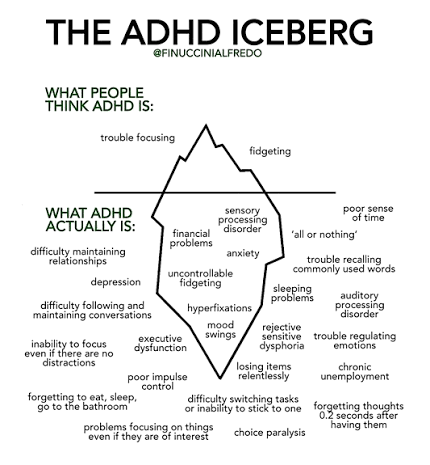
In adults, ADHD may involve difficulty organizing, estimating time, remembering responsibilities, finishing projects, or managing impulses. Hyperactivity may feel like internal restlessness rather than obvious constant movement.
Someone might manage demanding work but struggle to keep track of household paperwork. Another person may start several projects with enthusiasm and have trouble following through.
I want to understand where those difficulties occur, how often they happen, and what consequences they have.
Diagnosis requires a history
ADHD is a developmental condition: symptoms begin in childhood, although recognition may come much later. Diagnosis involves a persistent pattern that affects functioning across more than one setting. Occasional forgetfulness or a difficult month does not establish ADHD.
An evaluation may include questions about school, work, relationships, routines, and the systems you use to stay organized. I also consider other explanations for concentration problems, including sleep difficulties, anxiety, and depression.
You do not need to remember every childhood detail. Bring what you know, and we can discuss what additional information would help.
Practical support belongs in treatment
Medication can be helpful, and treatment may also include psychotherapy and skills for managing daily responsibilities. Cognitive behavioral therapy can address organization, focus, and completing tasks.
For example, instead of writing “finish paperwork,” we might identify the first visible action: open the form, locate one document, or complete the first section.
Other supports might include one consistent place for appointments, reminders that prompt a specific action, or breaking a large assignment into smaller steps.
The useful question is whether a system helps you follow through in your actual life.
Tell me what the difficulty costs you
During an appointment, I want to hear more than a symptom checklist.
Are missed deadlines affecting your job? Is your partner carrying responsibilities you intended to share? Do you spend your evenings catching up and criticizing yourself?
Those consequences help us define treatment goals.
If everyday tasks repeatedly require extraordinary effort, an evaluation can help clarify why. My goal is to help you understand the pattern and build a plan that improves daily functioning.
Dr. Sarah Parsons is a psychiatrist at Mental Health 2 You in Louisville, Kentucky. This article provides general education and does not replace an individual medical evaluation.