Perimenopause and Mental Health
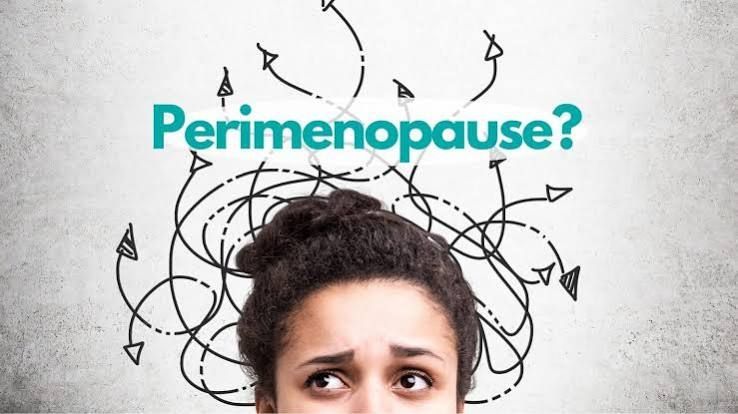
Perimenopause and Mental Health: When You Don’t Feel Like Yourself
By Dr. Sarah Parsons
“I used to be able to handle this.”
Perhaps your responsibilities have not changed much, but your patience, concentration, or emotional reserves have. You feel more anxious, sleep poorly, or find yourself reacting in ways that seem unfamiliar.
During the transition to menopause, changes in mood deserve attention alongside physical symptoms.
The transition can affect more than your periods
Perimenopause can involve irregular periods, hot flashes, sleep disruption, and mood changes. Some women also experience depression, which may include significant irritability, anxiety, sadness, or loss of enjoyment.
That does not mean everyone will develop depression. It means that “this might be perimenopause” should open a conversation about care.
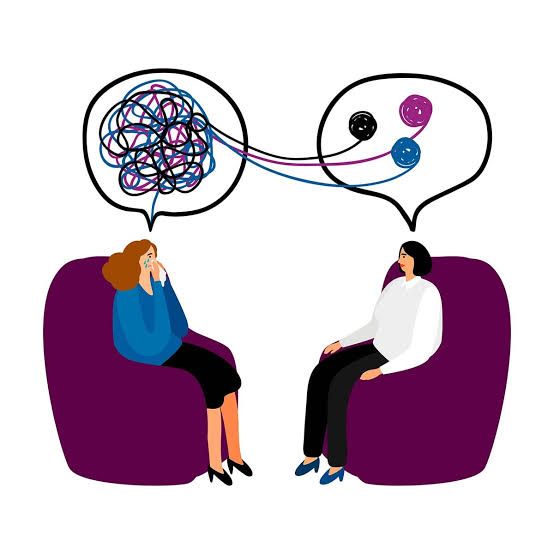
I want to understand the whole picture
During an evaluation, I ask about when symptoms began and what else changed around that time.
Are you waking repeatedly? Have your periods changed? Is anxiety new, or has a longstanding pattern become harder to manage? Are there times when you feel like yourself again?
I also want to review medications, medical history, and current demands. Conditions such as thyroid disease can cause symptoms that overlap with depression, so a medical evaluation may be appropriate.
We do not have to choose a single explanation before taking your symptoms seriously.
A few notes can make the appointment more useful
Consider keeping a brief record of:
- Sleep quality and nighttime awakenings.
- Mood, anxiety, and irritability.
- Menstrual changes and hot flashes.
- How symptoms affect work, relationships, or daily activities.
Approximate observations are enough. The goal is to identify patterns without giving you another demanding task.
Treatment should address what is affecting your life
For depression, options include psychotherapy, medication, or a combination. Your preferences, symptom severity, and previous experiences help guide that decision.
I may also recommend coordinating with your primary care clinician or gynecologist to evaluate menopause-related symptoms and discuss appropriate treatment options.
You deserve a plan that considers your physical and mental health together.
You do not have to wait until you are overwhelmed
If your mood, sleep, or ability to function has changed, bring it up—even if you are unsure how to explain it.
“I don’t feel like myself, and I think the menopause transition may be part of it” is a useful starting point.
My goal is to help you understand what is happening and find care that supports the life you want to be living.
Dr. Sarah Parsons is a psychiatrist at Mental Health 2 You in Louisville, Kentucky. This article provides general education and does not replace an individual medical evaluation.