What Counts? Exercise and Mental Health
Exercise and Mental Health: What Counts When You’re Struggling?
By Dr. Sarah Parsons
When you are depressed or anxious, advice to exercise can land badly.
You may already know that movement can help. The difficult part is finding enough energy, time, or confidence to begin.
When I discuss physical activity with patients, I want the conversation to lead to something achievable. A plan that fits your life is more useful than an ambitious routine you dread.
Movement can help—and small amounts count
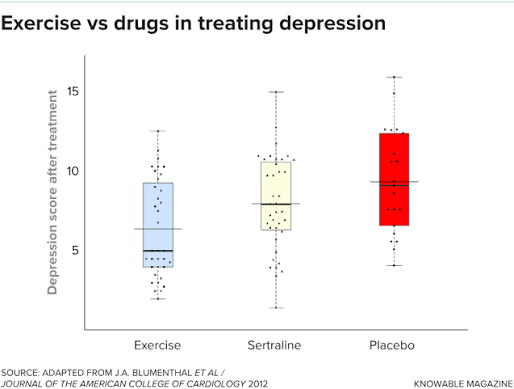
Physical activity can reduce symptoms of anxiety and depression and improve sleep. Some benefits, including reduced anxiety, can occur after a single session. Small increases in activity can benefit health, even before you reach recommended weekly exercise targets.
That does not mean every walk will lift your mood. It means movement is a reasonable tool to consider as part of your care.
Start with your current capacity
If you have been inactive, exhausted, or overwhelmed, a manageable starting point might be:
- A five-minute walk after lunch.
- A few minutes of gentle movement between tasks.
- Dancing to one favorite song.
- A short, accessible exercise video.
- Walking with someone whose company you enjoy.
Choose movement that fits your physical abilities and health needs. If pain or a medical condition limits activity, ask your clinician about appropriate options.
You do not need to start at the level you remember managing years ago.
Make the plan specific
“Exercise more” leaves many decisions for later.
“Walk for five minutes after my Tuesday and Thursday lunches” gives you a time, a place, and a clear starting point.
I also encourage having a smaller version available. If the planned walk feels out of reach, perhaps you can manage a shorter route or a few minutes indoors. Adjusting the plan can help you keep participating during a difficult week.
Notice more than whether you feel happier
After activity, consider what you observe.
Did you feel a little less tense? Was it easier to shift your attention? Did getting outside give your day some structure? Did walking with a friend help you feel connected?
You may notice no immediate change. That information is useful, too. We can consider the type of activity, the demands of the plan, and whether other symptoms need more attention.
Exercise belongs in a broader treatment conversation
Physical activity can be one part of mental health treatment. Depending on the severity of symptoms and your circumstances, psychotherapy, medication, or other treatments may also be appropriate.
If getting started feels impossible, tell your clinician. That difficulty deserves attention rather than criticism.
My goal is to help you find a sustainable way to care for yourself. Sometimes that begins with a short walk. Sometimes it begins with getting enough support to make that walk possible.
Dr. Sarah Parsons is a psychiatrist at Mental Health 2 You in Louisville, Kentucky. This article provides general education and does not replace an individual medical evaluation.