Panic Attacks: Why Anxiety Can Feel So Physical
Panic Attacks: Why Anxiety Can Feel So Physical
By Dr. Sarah Parsons
Your heart starts pounding. You feel lightheaded, your chest tightens, and suddenly you are afraid something terrible is happening.
When someone describes this experience, I understand why “anxiety” may feel like an inadequate explanation. The physical sensations are real, and they can be frightening.
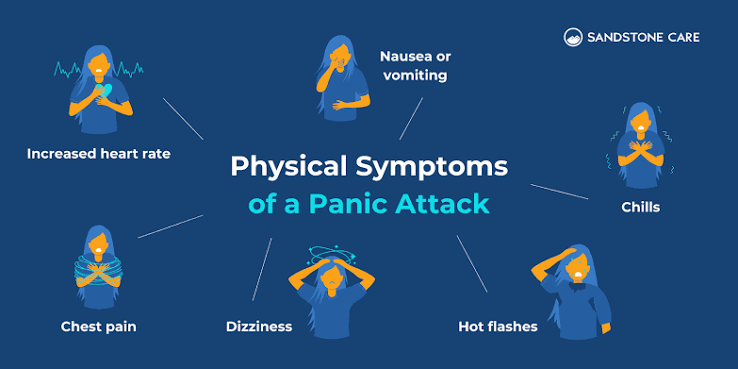
Panic attacks can involve a racing heart, trembling, sweating, shortness of breath, dizziness, nausea, and chest discomfort. Some people experience an intense fear of dying or losing control. An attack can happen even when there is no obvious trigger.
Start with an appropriate evaluation
I do not want someone to assume that every episode of chest discomfort or difficulty breathing is anxiety.
New, severe, or unfamiliar symptoms—particularly chest pain, fainting, or significant breathing difficulty—need urgent medical evaluation. A history of panic attacks does not rule out another medical problem.
Once symptoms have been evaluated, understanding panic can help us develop a more useful response to future episodes.
One attack does not necessarily mean panic disorder
Some people experience an isolated panic attack. Panic disorder involves recurrent, unexpected attacks along with ongoing concern about another attack or changes in behavior related to that fear.
During an appointment, I want to understand both the episodes themselves and what has happened between them.
Have you stopped driving certain routes? Are you avoiding stores, exercise, or being alone? Are you repeatedly checking your body for signs that another attack is coming?
Those changes matter because treatment should help you regain